
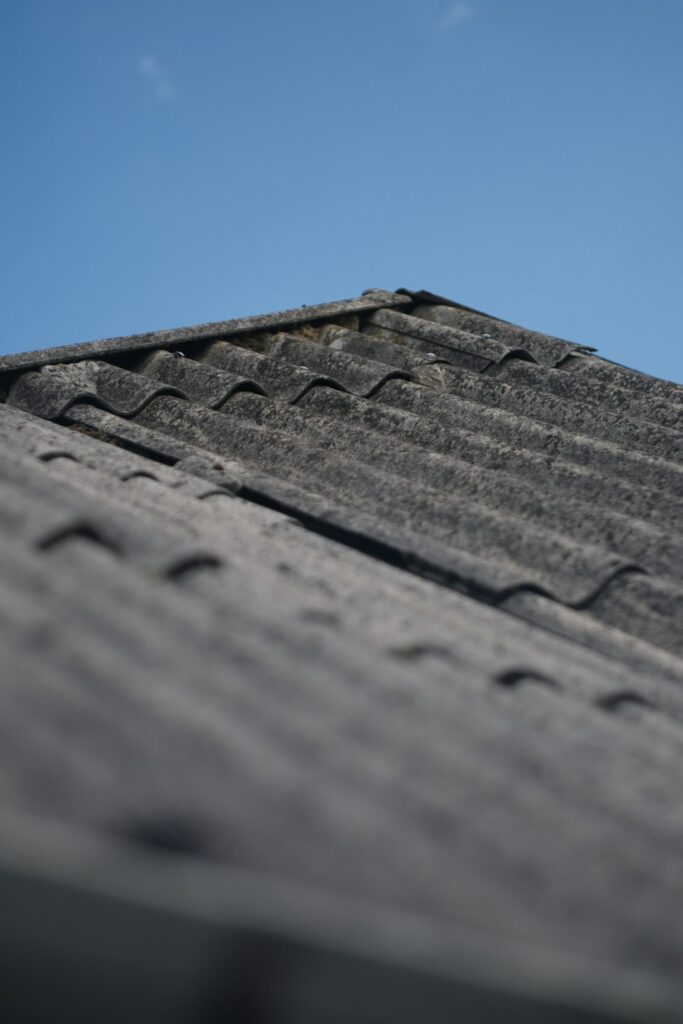
Sunlight is necessary for a roof to dry after rain and snow, but repeated exposure also contributes to gradual aging. Ultraviolet radiation, heat, and daily temperature changes can affect shingles, underlayment, flashing, sealants, and roof ventilation.
For homes in Medina, NY, sunlight is only one part of the picture. Roofs also face snow, ice, wind, humidity, freeze-thaw cycles, and occasional rapid changes from cold mornings to warm afternoons. Understanding how these forces work together makes it easier to recognize normal aging and potential problems.
How does ultraviolet light damage roofing materials?
Ultraviolet, or UV, radiation slowly breaks down exposed roofing surfaces. Asphalt shingles contain protective oils and a fiberglass or organic reinforcing mat. Over time, UV exposure can dry and harden the asphalt, making shingles less flexible.
The effects usually appear gradually:
- Color becomes lighter or uneven.
- The surface loses some of its original texture.
- Shingles may become brittle around exposed edges.
- Small cracks can develop in tabs, ridges, or sealant lines.
- Granules may loosen and collect in gutters or downspout outlets.
Granules are the small mineral particles embedded in the surface of asphalt shingles. They help shield the asphalt from sunlight and add color and texture. As granules wear away, the underlying asphalt receives more direct exposure, which can accelerate deterioration.
A faded roof is not automatically failing. Some color change is expected as roofing materials age. More concerning signs include widespread bald patches, exposed fiberglass, cracking, curling, or areas where the shingle surface appears unusually smooth.
Why do some parts of a roof age faster than others?
The roof slope that receives the most direct afternoon sunlight often shows more heat and UV wear than a shaded slope. Roof sections with little tree cover may also dry out faster and experience stronger temperature swings.
Different roof areas can age at different rates because of:
- Roof orientation and slope
- Nearby trees, chimneys, and taller structures
- Poor attic ventilation
- Dark-colored roofing materials
- Snow or debris remaining in one area
- Previous repairs or replacement shingles
- Uneven drainage or recurring moisture
The most exposed ridge caps, rake edges, and south- or west-facing slopes may look older than shaded sections. This does not necessarily mean the entire roof needs replacement. It does mean that inspections should consider each roof plane rather than judging the roof from a single view.
Does heat from the sun shorten a roof’s life?
Heat can contribute to aging, especially when a roof repeatedly heats during the day and cools at night. Roofing materials expand slightly when warm and contract as they cool. Over many years, this movement can place stress on shingle bonds, flashing joints, sealants, and other connections.
A roof does not need to reach desert-like temperatures for this process to matter. Dark shingles can become substantially warmer than the surrounding air, even in a northern climate. Summer heat followed by cool nights creates repeated thermal movement, while winter sunlight can warm one roof surface even when the air remains near freezing.
Heat-related wear may be more noticeable where attic ventilation is inadequate. A hot attic does not mean the roof will fail immediately, but excess heat and moisture can contribute to faster aging of roof sheathing, insulation, and roofing materials.
Can sunlight cause shingles to curl or crack?
Sunlight can contribute to curling, cracking, and brittleness, but it is rarely the only cause. Age, moisture, wind, installation conditions, attic ventilation, and manufacturing characteristics may also play a role.
Curling may appear as:
- Upturned corners
- Raised shingle edges
- Buckled or wavy courses
- Cracked tabs
- Shingles that no longer lie flat
A few isolated irregularities may come from localized damage or a past repair. Widespread curling across several roof slopes generally indicates advanced aging or another underlying concern.
Cracks are especially worth watching near exposed edges, around roof penetrations, and where shingles meet flashing. Water does not always enter directly through the visible crack. It may travel beneath overlapping courses before appearing inside the attic or on a ceiling.

Does shade protect a roof?
Shade can reduce direct UV exposure and lower surface temperatures, but it does not automatically make a roof healthier. Shaded areas often remain damp longer after rain or snow. Overhanging branches can drop leaves, twigs, and organic debris onto the roof, while nearby trees may increase the risk of moss or algae growth.
A balanced roof environment includes reasonable sunlight, clear drainage, and adequate airflow. Heavy shade combined with debris and poor ventilation may create more moisture-related problems than sunlight alone would cause.
In a region with snowy winters, shaded roof sections may also melt more slowly. Uneven melting can leave some areas wet while others refreeze, increasing the opportunity for ice buildup near eaves and drainage paths.
What should homeowners look for from the ground?
A ground-level check can identify changes without requiring anyone to climb onto the roof. Look for patterns rather than isolated marks.
Useful observations include:
- Noticeably different color between roof slopes
- Bare or thinning areas where granules are missing
- Curled, cracked, or lifted shingles
- Sagging lines or uneven roof planes
- Rusted or displaced flashing
- Granules collecting in gutters
- Water stains or damp insulation in the attic
- Daylight visible through the roof deck
Gutter granules are not always proof of immediate failure. A small amount may appear after installation or a severe storm. A steady increase over time, especially combined with bald shingles or interior moisture, deserves closer attention.
Roof viewing should be done from the ground, attic, or a safely accessible window whenever possible. Wet shingles, steep slopes, icy conditions, and fragile older materials can make roof access hazardous.
Do reflective or lighter-colored roofs reduce sun damage?
More reflective roofing surfaces generally absorb less solar energy than darker surfaces. This can reduce roof temperatures and may lower cooling demand during hot weather. However, reflectivity is only one factor in roof performance.
A lighter roof does not eliminate UV exposure, thermal movement, winter weather, or moisture problems. A dark roof is not automatically unsuitable for Medina, NY, either. Product design, installation quality, attic ventilation, roof pitch, and local exposure all matter.
Replacing a sound roof solely to change its color is usually difficult to justify. Reflective choices make more sense when selected as part of a planned replacement, especially where summer overheating is a concern.
How can sunlight-related aging be managed?
The most useful approach is routine observation combined with good roof and attic conditions. Keep gutters and drainage paths clear, trim branches that rub against or heavily cover the roof, and inspect the attic for moisture, poor airflow, or daylight around penetrations.
After strong wind, hail, or a major temperature swing, check for displaced shingles and new granules in the gutters. If shingles are brittle, the roof is steep, or ice is present, climbing should be avoided. Safety and accurate assessment may require a qualified roofing inspector, particularly when damage is widespread or water is entering the building.
Sun exposure is a normal part of a roof’s service life. The practical question is not whether sunlight has touched the shingles, but whether the roof still has a sound surface, secure drainage, intact flashing, and enough remaining flexibility to handle Medina’s full cycle of summer heat, winter cold, snow, and moisture.
