
Does a new roof always need to be replaced after 20 years?
No. A roof’s age matters, but age alone does not determine whether replacement is necessary. Asphalt shingles may last roughly 15 to 30 years, while other roofing materials can have different service lives. Installation quality, attic ventilation, weather exposure, roof slope, and maintenance all affect performance.
A roof that is 20 years old may still be functioning well if the shingles remain securely attached, the flashing is sound, and there are no signs of water intrusion. Another roof of the same age may already have serious weaknesses.
Useful signs to watch for include:
- Missing, cracked, curling, or loose shingles
- Repeated leaks or damp areas in the attic
- Granules collecting in gutters or at downspouts
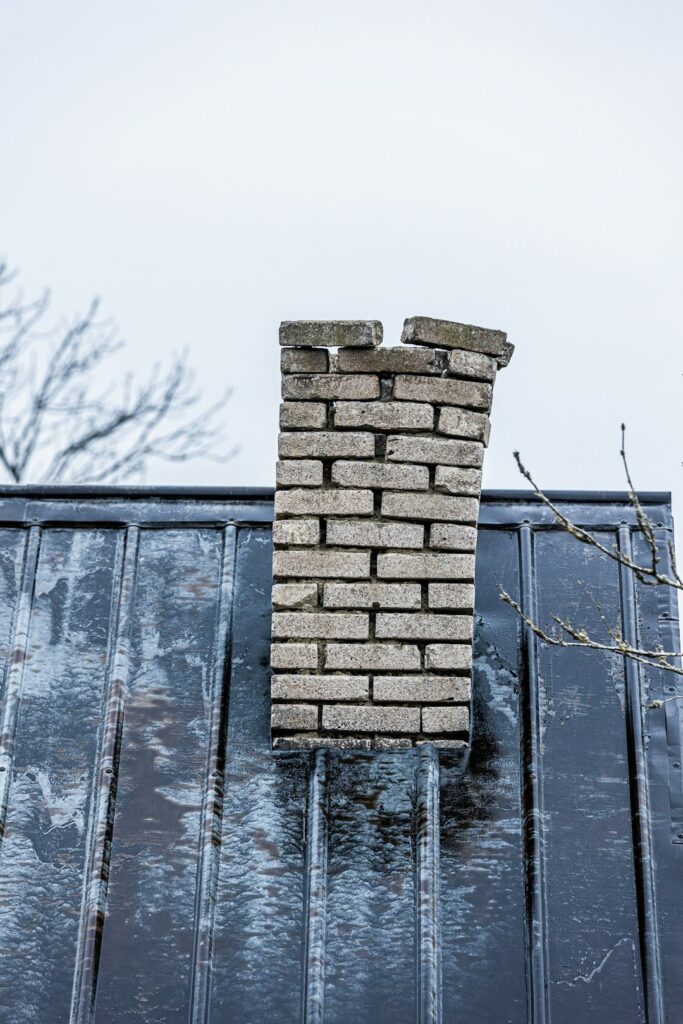
- Rusted or separated flashing around chimneys, walls, and vents
- Sagging roof lines or soft decking
- Daylight visible through the roof sheathing
The key misconception is that a calendar date can replace an actual condition assessment.
Are roof leaks always located directly above the water stain?
No. Water often travels along roof decking, rafters, insulation, or framing before it reaches the ceiling. A stain inside the home may be several feet away from the damaged shingle, flashing joint, vent, or roof valley.
This is especially common with low-slope sections, roof additions, chimneys, skylights, and areas where two roof planes meet. During wind-driven rain, water can also move beneath shingles in ways that are not obvious from the ground.
A ceiling stain should not be dismissed simply because it dries out. A small leak can wet insulation, encourage mold growth, damage wood framing, or worsen gradually through repeated freeze-thaw cycles.
Can a roof be judged from the ground?
A ground-level view can reveal obvious problems, but it cannot confirm that a roof is watertight. Some damage is visible from below, such as missing shingles, sagging, exposed underlayment, or heavily worn roof edges. Other issues may be hidden beneath overlapping materials.
Flashing failures, fastener problems, deteriorated sealant, and damaged roof decking often require a closer inspection. Attic conditions can also provide important clues, including darkened wood, damp insulation, staining around fasteners, or wet ventilation components.
For routine observation, binoculars can help identify visible defects without walking on the roof. Walking on steep, wet, icy, or damaged roofing creates a fall hazard and can cause additional damage.
Does a small leak mean only one shingle needs replacement?
Not necessarily. A leak may begin at one damaged shingle, but it may also result from flashing, underlayment, roof penetrations, valleys, ice-related water backup, or deteriorated decking.
Replacing a single shingle can solve the problem when the cause is clearly isolated. It may not solve anything if water is entering elsewhere. A patch that appears successful during dry weather may fail again during wind-driven rain or snowmelt.
The most useful question is not simply, “How many shingles are damaged?” It is, “What allowed water to enter, and has the surrounding area also been affected?”
Do gutters prevent ice dams?
Gutters do not prevent ice dams. Ice dams form when heat escapes into the attic and warms portions of the roof, causing snow to melt. The water then runs toward colder eaves, where it refreezes and creates a ridge of ice.
Adequate attic insulation, proper air sealing, and balanced ventilation help keep the roof surface at a more consistent temperature. Gutters and downspouts still need to remain clear so melting snow and rain can drain properly, but clean gutters alone cannot correct an attic heat-loss problem.
Medina’s winter conditions can include snow, freezing rain, rapid temperature changes, and repeated freeze-thaw cycles. Those conditions make it especially useful to monitor roof edges, attic moisture, and drainage paths after major storms.
Does more attic ventilation always make a roof healthier?
No. Ventilation works as a system. Adding a vent without providing a balanced intake path may have little effect. Poorly placed or improperly installed vents can also allow wind-driven rain or snow to enter.
A functioning attic ventilation arrangement commonly depends on both intake and exhaust airflow, along with adequate insulation and air sealing between the living space and attic. Bathroom fans, kitchen exhaust, and clothes dryers should vent outdoors rather than into the attic.
Excess moisture in an attic can lead to condensation, frost, stained sheathing, damp insulation, and wood deterioration. Those symptoms may be mistaken for roof leaks even when the primary problem is indoor air escaping upward.

Are dark roof shingles always hotter and less efficient?
Color can affect how much solar energy a roof absorbs, but shingle color is only one factor. Attic insulation, ventilation, roof orientation, shading, roof pitch, and the condition of the roofing materials also influence indoor comfort and energy use.
In a northern climate, winter heat loss through the attic can be more significant than summer heat gain. A properly insulated and air-sealed attic usually matters more than choosing a particular shingle color by itself.
Dark shingles are not automatically defective or unsuitable. However, any roofing choice should be considered alongside the home’s attic design, snow exposure, drainage, and local construction requirements.
Can new shingles be installed over old shingles without problems?
Sometimes roofing rules and material instructions allow a second layer, but covering old shingles does not make underlying problems disappear. The roof deck, flashing, ventilation, and structural condition still matter.
A new layer can conceal damaged decking or uneven surfaces. It may also add weight and make later repairs more complicated. Multiple layers around chimneys, walls, valleys, and vents can create detailing problems that are difficult to see from outside.
Whether an additional layer is appropriate depends on the existing roof’s condition, the number of layers already present, local code requirements, and the installation instructions for the new material. A roof should not be layered simply to avoid examining what is underneath.
Does moss always mean the roof must be replaced?
No. Moss is a moisture and shade indicator, not an automatic replacement signal. It can grow on roofs that still have useful service life, but its roots and retained moisture can lift shingle edges over time.
Aggressive scraping or pressure washing can remove protective granules and shorten shingle life. Moss should not be pulled away forcefully, and harsh cleaning methods can damage roofing, siding, gutters, and nearby landscaping.
The presence of moss is a reason to investigate drainage, sunlight, overhanging branches, and roof surface condition. It is not, by itself, proof that the roof has failed.
Does a roof warranty cover every leak?
No. Warranties have limits and may distinguish between manufacturing defects, installation issues, storm damage, maintenance problems, and normal aging. A warranty may also require specific installation methods or documentation.
Damage caused by fallen branches, severe wind, animals, poor ventilation, blocked drainage, or unauthorized alterations may be treated differently from a product defect. Homeowners should read the actual warranty terms rather than rely on general statements about coverage.
Keeping records of repairs, inspections, storm damage, and maintenance can make it easier to understand what occurred if a warranty question arises.
What should Medina homeowners check after a major storm?
After strong wind, heavy snow, ice, or rapid thawing, look for visible changes from the ground and check the attic when conditions are safe. Useful observations include loose shingles, damaged metal flashing, blocked downspouts, fallen branches, new ceiling stains, and damp insulation.
Do not climb onto an icy or wet roof, and avoid entering areas with sagging ceilings or obvious structural damage. Electrical hazards may also exist where water has reached light fixtures, wiring, or outlets.
Good roofing decisions depend less on one dramatic sign than on connecting several clues: the roof’s age, visible condition, attic environment, drainage, weather history, and evidence of repeated moisture.
