

Ice dams are ridges of ice that form along a roof’s lower edge when snow melts on a warmer section of the roof and refreezes near the colder eaves. In Medina, NY, repeated cycles of snow, thawing, and refreezing can make this problem more likely during winter.
An ice dam can block normal drainage, allowing meltwater to collect behind the ice. If that water works beneath shingles or around roof penetrations, it may stain ceilings, damage insulation, or contribute to mold and wood decay.
How does an ice dam form?
An ice dam usually develops because different parts of the roof are at different temperatures. Heat from the living space rises into the attic and warms the underside of the roof. Snow over the warmer area begins to melt, even while snow near the overhanging eaves remains frozen.
The meltwater flows downward until it reaches the colder roof edge. There, it freezes and gradually builds a ridge. More melting can then create a shallow pool behind the ridge, increasing the chance of water getting beneath the roofing materials.
The process is more likely when:
- Several inches of snow remain on the roof.
- Outdoor temperatures move above and below freezing.
- The attic has inadequate insulation.
- Air leaks allow warm household air into the attic.
- Roof ventilation is poorly balanced or blocked.
- Gutters or downspouts are filled with leaves, ice, or debris.
Ice dams are not caused simply by “too much snow.” Snow cover, attic heat, roof design, air leakage, and changing weather usually work together.
Why are ice dams a concern?
The most visible problem may be a ceiling stain, but water damage can begin before any indoor sign appears. Meltwater trapped behind an ice dam may affect several parts of a building.
Possible consequences include:
- Wet attic insulation that loses its insulating ability.
- Staining or bubbling on ceilings and upper walls.
- Damp rafters, roof sheathing, and framing.
- Peeling paint or damaged drywall.
- Corrosion around fasteners and metal components.
- Mold growth when materials remain damp.
- Damage to gutters, fascia, and roof edges from the weight of ice.
An ice dam can also become a safety issue if large sections of ice or snow slide from the roof without warning. Falling ice may damage property or injure someone near the building.
What warning signs should residents watch for?
The most obvious sign is a continuous ridge of ice along the lower edge of the roof. Icicles alone do not prove that an ice dam is present, but large, thick icicles combined with roof-edge ice deserve attention.
Other warning signs include:
- Water stains on ceilings or upper-floor walls.
- Dampness around attic insulation.
- Frost or moisture on the underside of roof sheathing.
- Dripping sounds inside walls or ceilings.
- Gutters pulling away from the roof edge.
- Uneven snow cover, with bare roof areas surrounded by heavier snow.
- Ice forming around vents, skylights, chimneys, or roof valleys.
Uneven snow cover can indicate that heat is escaping through particular areas of the attic. It does not always mean an ice dam has formed, but it may identify conditions that encourage one.
How can ice dams be prevented before winter?
The most reliable prevention strategy is to keep the roof surface closer to one consistent temperature. That requires reducing heat transfer from the living area and allowing the attic to remain cold and dry.
Improve attic insulation
Adequate insulation slows the movement of indoor heat into the attic. The insulation should be distributed evenly, including near the edges of the attic where the roof meets the exterior walls.
Gaps around attic hatches, recessed lights, plumbing penetrations, electrical wiring, and ductwork can allow warm air to escape even when the overall insulation depth appears sufficient.
Seal attic air leaks
Air sealing is different from adding insulation. Insulation reduces heat flow, while air sealing limits the movement of warm household air into the attic.
Common leakage points include:
- Pull-down attic stairs.
- Attic access panels.
- Bathroom and kitchen exhaust fan housings.
- Plumbing vent openings.
- Electrical penetrations.
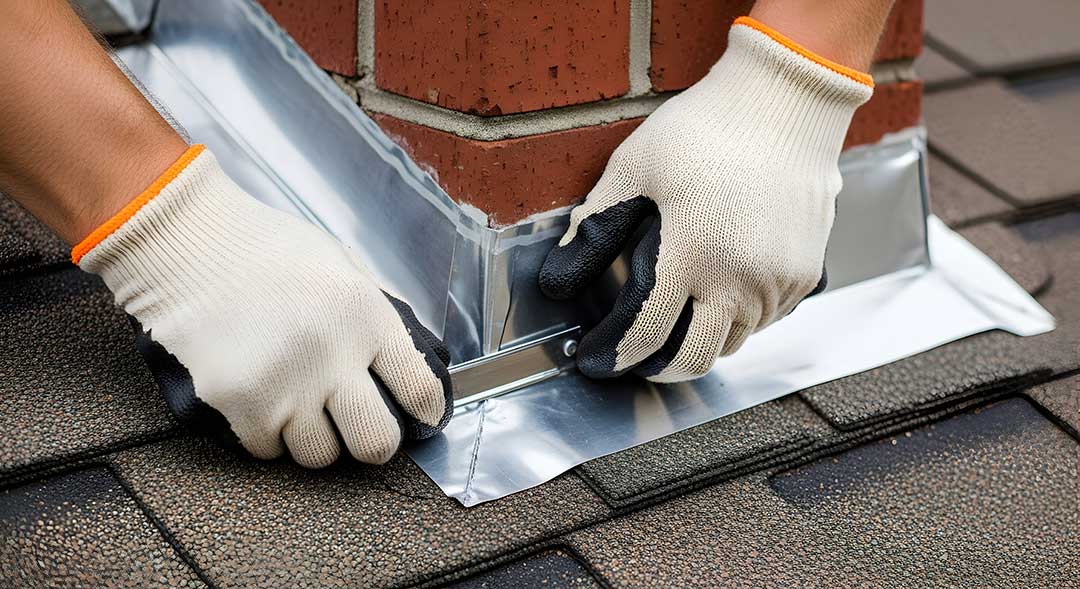
- Gaps around chimneys and framing.
- Unsealed ductwork.
Exhaust fans should discharge outdoors through properly installed ducts, not into the attic. Moist household air released into a cold attic can create frost and condensation, adding to winter moisture problems.
Maintain clear roof ventilation
A properly designed ventilation system allows air to enter near the lower roof edge and exit near the ridge or upper roof area. This helps remove heat and moisture from the attic.
Ventilation openings should not be blocked by insulation, nesting material, dust, or stored items. Simply adding a powered fan is not always an appropriate solution. If the attic has significant air leakage, a fan may move air without correcting the underlying heat loss or moisture problem.
Keep gutters and downspouts clear
Clean gutters help meltwater drain away from the roof edge. They cannot prevent every ice dam, because the dam usually begins with uneven roof temperatures, but blocked drainage can make the situation worse.
Before winter, check that:
- Gutters are free of leaves and compacted debris.
- Downspouts discharge water away from the foundation.
- Gutter sections are securely attached.
- Water does not collect in low areas.
- Snow and ice cannot easily obstruct the downspout outlet.
What should be done during a snowstorm or freeze?
Removing snow from the roof can reduce the amount of water available to form an ice dam, but roof work in winter is hazardous. Walking on an icy, snow-covered roof can cause falls and may damage shingles or flashing.
A roof rake designed for ground-level use may remove some snow from the lower roof surface, but it must be used carefully. Pulling aggressively can scrape roofing materials, dislodge gutters, or create falling snow hazards.
Avoid chopping at an ice dam with a hammer, shovel, or other sharp tool. Breaking the ice can damage shingles and underlayment while leaving the drainage problem unresolved. Applying salt or corrosive chemicals may also damage roofing, gutters, vegetation, and exterior materials.
If water is actively entering the home, move furniture and valuables away from the affected area, place containers beneath drips, and document visible damage. Electrical fixtures near water should be treated as a serious hazard. Roof access should be left to people equipped and trained to work safely in winter conditions.
Can roof cables solve the problem?
Electric roof de-icing cables can create narrow drainage paths through ice, but they do not correct heat loss, poor insulation, or attic air leakage. They may be useful in specific locations when installed according to the product requirements and local electrical safety rules.
Cables should not be treated as a substitute for improving the building envelope. Improper installation can create electrical, fire, or roof-damage risks.
What is the most effective long-term approach?
Long-term prevention usually combines three measures: reducing heat loss, sealing attic air leaks, and maintaining balanced ventilation. Gutter maintenance and careful snow management support those measures but rarely solve the root cause by themselves.
For older homes, additions, finished attics, and roofs with multiple levels, the causes may be less obvious. A qualified roofing or building-envelope specialist may be needed when water is entering the structure, when roof access is dangerous, or when insulation and ventilation need to be evaluated together. The goal is not merely to remove visible ice, but to prevent warm roof areas and trapped moisture from creating the same cycle during the next Medina winter.
