

How Can Tree Limbs Affect My Roof?
Tree limbs overhanging homes in Medina, NY can cause several types of roof damage, ranging from minor annoyance to costly repairs. Even well-kept trees pose risks, especially when combined with the regional mix of seasonal storms, snow, and periodic strong winds.
Overhanging or nearby branches can:
- Scratch and wear away roofing material when moved by wind.
- Deposit organic debris and moisture, increasing the risk of mold, rot, and shingle decay.
- Break and fall, impacting shingles, gutters, or even roof decking.
Regularly monitoring the trees around a home, especially after storms, is key to avoiding unexpected damage.
Can Tree Limbs Actually Damage Modern Roofing Materials?
Yes. Even durable, modern asphalt, metal, or composite shingles can be affected by contact with tree branches. While these materials perform well in many local homes, constant scraping from branches accelerates wear in a way that isn’t always obvious at first.
Some typical effects include:
- Loss of protective granules from asphalt shingles, which shortens shingle lifespan.
- Scratches or dents in metal roofs leading to rust over time.
- Loosened or cracked shingles, especially at roof edges.
In Medina, where rapid weather changes bring gusty winds and freezing rain, the natural movement of limbs against roofing material is rarely gentle.
What Kinds of Problems Happen When Leaves and Debris Accumulate?
When leaves, twigs, and seeds gather on a roof—often funneled down from nearby trees—they can create persistent damp areas. These organic buildups cause problems such as:
- Clogging gutters and downspouts, leading to water backups and ice dams in colder months.
- Damaging roof valleys and low points, where wet debris lingers and slowly promotes algae, moss, or decay.
- Attracting insects and rodents searching for nesting material or food.
In neighborhoods with older, established trees, it’s common to see piles of wet leaves sticking to shingles or trapped in roof corners. This not only looks unsightly but can also mask developing trouble spots.
Are There Seasonal Risks Unique to Medina, NY?
Homes in the area experience four distinct seasons, each carrying its own set of challenges for roofs near trees. Winters often bring heavy snow and ice, while late spring and summer see frequent thunderstorms.
Tree limbs cause seasonal roof issues such as:
- Snow and ice accumulation on overhanging branches, increasing the risk of breakage onto the roof.
- Freezing and thawing cycles, which allow trapped moisture in debris to seep beneath shingles.
- High winds during storms snapping weak or dead branches, which can puncture or dent roofing materials.
Residents should be especially alert after any storm or wind event for new damage or accumulations.
Do Smaller Branches Matter or Only Large Limbs?
Both large and small branches are relevant for homeowners. Large limbs have the obvious risk of causing immediate, severe damage if they fall. However, smaller twigs and branches—while seemingly harmless—often act as a “sanding” tool when moved by the breeze, wearing away shingles over time. Even the gentle scraping from fine branches, repeated over weeks or months, can open small pathways for water intrusion.
Overlooked, light debris from small branches and seeds often finds its way into gutters or tight roof valleys, setting the stage for water and ice issues.
What Should Local Residents Watch For?
Spotting early warning signs helps prevent tree limb damage from turning into a costly repair. Key indicators to keep an eye on include:
- Branches resting directly on or within a foot above roofing surfaces.
- Significant leaf litter accumulating after storms or windy days.
- Noticeable scratches, granule loss, or exposed areas on shingles beneath trees.
- Bent or sagging gutters filled with sticks and leaves.
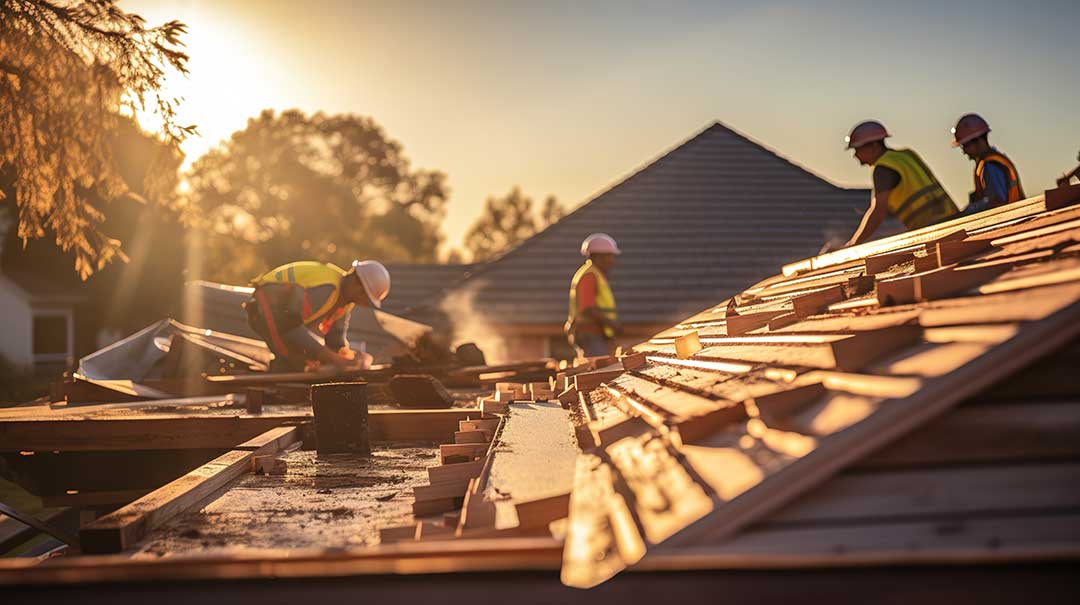
Taking a look at the roof after severe weather, or during a fall or spring yard clean-up, assists in identifying possible trouble areas early.
Are There Common Misconceptions About Tree Limbs and Roof Damage?
A few myths persist:
- “Only dead branches are a problem.” In fact, healthy limbs can cause damage if they move against or fall on a roof.
- “Pruning once removes all risk.” Tree growth is ongoing, and branches can return to problem areas within a season or two.
- “If I don’t see damage now, I’m fine.” Many issues develop invisibly under shingles or in gutters before becoming obvious inside the home.
Regular observation and occasional light pruning help avoid most unpredictable issues—especially important in an area where both trees and roofs must withstand varied seasonal pressures.
How Can Homeowners Safely Reduce the Risks?
Residents are encouraged to manage potential tree-related issues before they escalate. Safe options include:
- Trimming back branches that hang within several feet of the roof, focusing on areas where wind could push limbs downward or sideways.
- Clearing organic debris when possible, especially in valleys or gutter runs.
- Watching for signs of recent limb loss or damage after storms or high winds.
If large branches are involved, or if roof access is unsafe, it is generally best to assess conditions safely from the ground or through upper-floor windows.
When Is Professional Help Warranted?
While most light maintenance can be handled by homeowners, there are situations that require professional attention for safety or legal reasons:
- Removing large limbs entangled with utility wires or in danger of falling.
- Addressing substantial structural damage, such as punctured decking or major leaks.
- Working on roofs with steep slopes, fragile surfaces, or when ladder access is not secure.
In these scenarios, trained personnel are needed not just for expertise, but to ensure personal safety and compliance with local rules.
