

Why Does Roof Preparation Matter in Medina, NY Winters?
Freezing temperatures, ice, and snow are the rule each winter in Medina, NY. These conditions put extra stress on residential roofs. Preparing in advance helps prevent leaks, ice dams, and damage that could lead to expensive repairs once winter storms arrive. Local homes often feature sloped asphalt shingle or metal roofs, which can be especially vulnerable to ice buildup and wind-driven precipitation.
What Should Be Inspected Before Winter?
A basic inspection before the first sustained cold snap is one of the most effective steps a homeowner can take.
Start by checking:
- Shingle condition (look for curling, missing, or broken pieces)
- Flashing around chimneys, vents, and skylights
- Gutters and downspouts for clogs or loose segments
- Ridge and soffit vents for any blockages
Binoculars can help spot issues from the ground. For those comfortable with ladders, a closer look may reveal hidden problems, but safety should always be the priority.
How Do Gutters and Downspouts Affect Roof Performance in Snow?
Gutters and downspouts direct melting snow and ice away from your house. If they’re clogged with leaves or debris, water can back up, freeze, and force its way under shingles or behind fascia boards. In Medina’s tree-lined neighborhoods, this is particularly relevant after autumn leaf drop.
To clear gutters and downspouts:
- Scoop out leaves, twigs, and sediment before regular freezes begin.
- Flush each section with water to confirm a clear path.
- Secure any loose gutter hangers or downspout extensions.
Keeping these pathways open helps prevent ice dams and roof leaks during freeze-thaw cycles.
Are There Common Roof Weak Points for Local Homes?
Older housing stock in the area often includes vulnerable features such as low-sloped roof sections, overhangs, and poorly insulated attics. These can contribute to snow accumulation and ice dam formation.
Areas to double-check:
- Valleys where two roof slopes meet—often collect the deepest snow.
- Edges above unheated eaves, where snow melts and re-freezes.
- Around vent pipes and skylights, as flashing may degrade or shift over time.
Addressing these details before winter sets in reduces the risk of mid-season emergencies.
How Can Attic Insulation and Ventilation Help?
Good attic insulation and proper ventilation are crucial for winter roof health. An attic that stays too warm can melt snow on the roof, which then refreezes at colder eaves, creating heavy ice dams.
Check for:
- Consistent, even attic insulation that covers the ceiling thoroughly but leaves soffit vents unobstructed.
- Clear ridge or roof vents to allow warm air to escape.
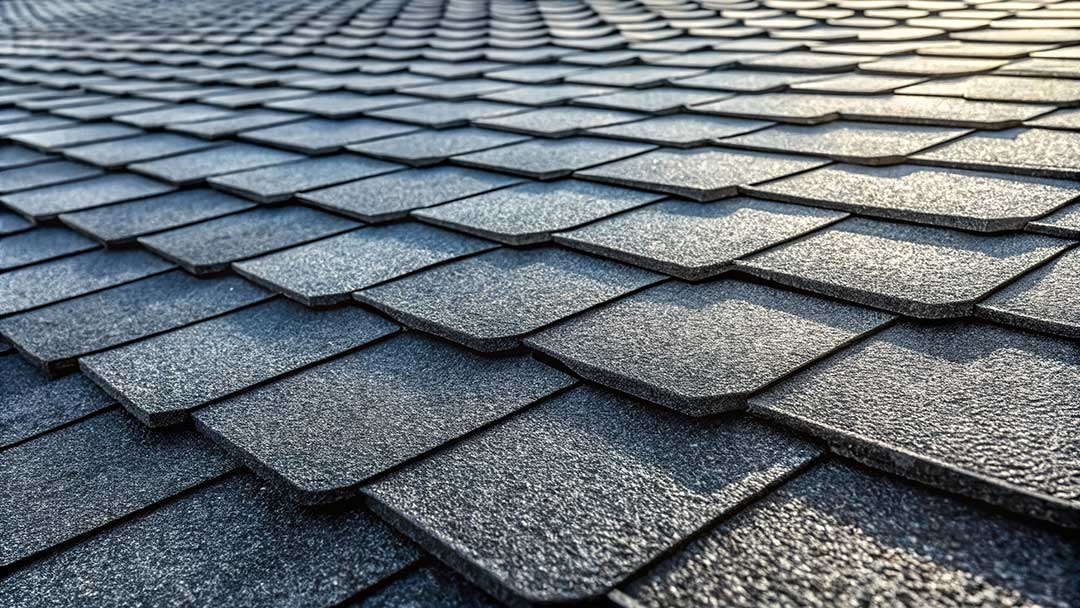
Local homes with drafty attics or poor ventilation can benefit from topping up insulation or clearing any blocked vents to maintain an even temperature beneath the roof deck.
What Steps Are Safe for DIY Repair and Maintenance?
Many forms of preparation are suitable for “do-it-yourself” homeowners, as long as safety comes first.
Safe steps include:
- Cleaning gutters and downspouts from a stable ladder or the ground.
- Removing low branches that hang over the roof; these can drop extra debris or damage shingles during ice storms.
- Using a roof rake to safely pull down accumulated snow from ground level, paying special attention to the first few feet above your gutters.
Avoid climbing on icy or snow-covered roofs—the risk of slipping increases substantially.
What Signs of Trouble Should Be Watched For During Winter?
Even after careful preparation, it’s wise to watch for warning signs during winter thaws and after heavy snowfall.
Look for:
- Water stains or drips on interior ceilings or walls, which signal possible roof leaks.
- Large icicles or thick ice at the roof’s edge, which may indicate poor insulation or poor drainage.
- Unusual sagging areas on the roof after heavy snow, which may require immediate attention to prevent collapse.
Not all issues require urgent action, but ongoing awareness can keep small problems from becoming major repairs when conditions are harshest.
What Common Misconceptions Lead to Winter Roof Problems?
A frequent misconception is that newer roofs don’t require any seasonal care. In reality, even roofs under five years old can suffer from debris buildup, poor ventilation, or gutter issues.
Another belief is that a thick layer of snow acts as insulation. While light snow can offer some protection, heavy snow increases weight load and ice dam risk, especially during warm spells followed by freezing temperatures.
Being proactive about preparation, regardless of the age of the roof, is the surest way to prevent winter surprises.
