

What Is a Roof Warranty and Why Does It Matter?
A roof warranty is a written guarantee covering specific kinds of repairs or replacements for your roof within a set time period. For Medina, NY homeowners, understanding these terms can help avoid unexpected costs and frustration, especially as roofs age and weather patterns challenge their durability.
Most roof warranties are designed to protect your investment from defects or failures tied to either materials or installation. While this may sound straightforward, it's common for residents to be unsure about exactly what is and isn’t included, leading to confusion if problems ever arise.
What Types of Roof Warranties Are Commonly Available?
There are two main types of roof warranties: manufacturer (or material) warranties and workmanship (or installation) warranties. Some homes may have a combination of both.
- Manufacturer warranties typically cover defects in the roofing materials themselves. This could mean the shingles, tiles, or membranes if they fail before their expected lifespan due to a factory issue.
- Workmanship warranties are provided by the installer and cover installation errors that could lead to leaks or premature wear.
Sometimes, homeowners mistakenly believe these warranties automatically cover any roof problem. However, each warranty has different rules and exclusions, so coverage is rarely absolute.
What Does a Manufacturer Warranty Usually Cover?
Manufacturer warranties usually ensure the roofing materials will perform as advertised for a specified number of years—often ranging from 20 to 50, depending on the product and type. If shingles crack, curl, or lose granules excessively during this time due to a manufacturing defect, you may be eligible for replacement materials.
However, most manufacturer warranties do not cover:
- Damage from storms, hail, falling branches, or animals (these usually fall under homeowners’ insurance)
- Improper installation or roof design issues
- Routine wear and tear, moss, or algae growth
In Medina, with its mix of heavy winter snow loads, summer sun, and occasional strong winds, the manufacturer's warranty primarily helps if your roof fails in a way that wasn’t caused by the region’s regular harsh weather or a mistake in installation.
What About Workmanship Warranties?
Workmanship warranties protect you from problems resulting from the installation itself. If, for example, a roof starts leaking after a relatively new installation and the issue is traced back to how the shingles or flashing were fitted, a workmanship warranty could mean repair costs are covered.
These warranties are usually shorter than manufacturer warranties—often five to ten years. They're valuable in places like Medina, where freeze-thaw cycles can quickly reveal improper sealing, misaligned shingles, or poorly flashed chimneys.
Keep in mind that typical exclusions are:
- Damage caused after installation by other contractors or modifications (like adding a satellite dish)
- Weather or impact damage, unless shown to be made worse by poor workmanship
- Normal aging or wear outside the warranty’s time frame
How Can Homeowners Accidentally Void a Roof Warranty?
Many area households are unaware of actions that can void their warranties, leaving them unprotected. These can include:
- Installing unauthorized roof accessories or antennas that puncture the surface
- Pressure washing shingles, which can remove protective granules
- Not maintaining gutters or letting moss and debris pile up
- Overlaying new shingles directly atop old ones, which can trap moisture
Some manufacturers require regular inspections or specific maintenance steps to keep a warranty valid. Always check the documentation left by your roofer or previous owner, especially when buying a home.
Are Transferable Warranties Available?
It’s common for homeowners to ask if a warranty can be passed on when selling a house. Many product warranties—especially premium shingle warranties—are transferable once within a designated timeframe (often within the first ten years). There may be small transfer fees or paperwork involved, but this can add value for buyers looking for assurance on a roof’s performance.
If you move into a new home in Medina and the previous owner installed a new roof, check the paperwork and see if transfer is an option. Make sure to initiate the process promptly after closing, as transfer windows are often very short.
What’s Typically Required From Homeowners?
To receive warranty benefits, most warranty providers require that homeowners:
- Prove the original installation date and product
- Show compliance with any scheduled maintenance or inspection requirements
- Report defects within a certain period after noticing them (often 30-60 days)
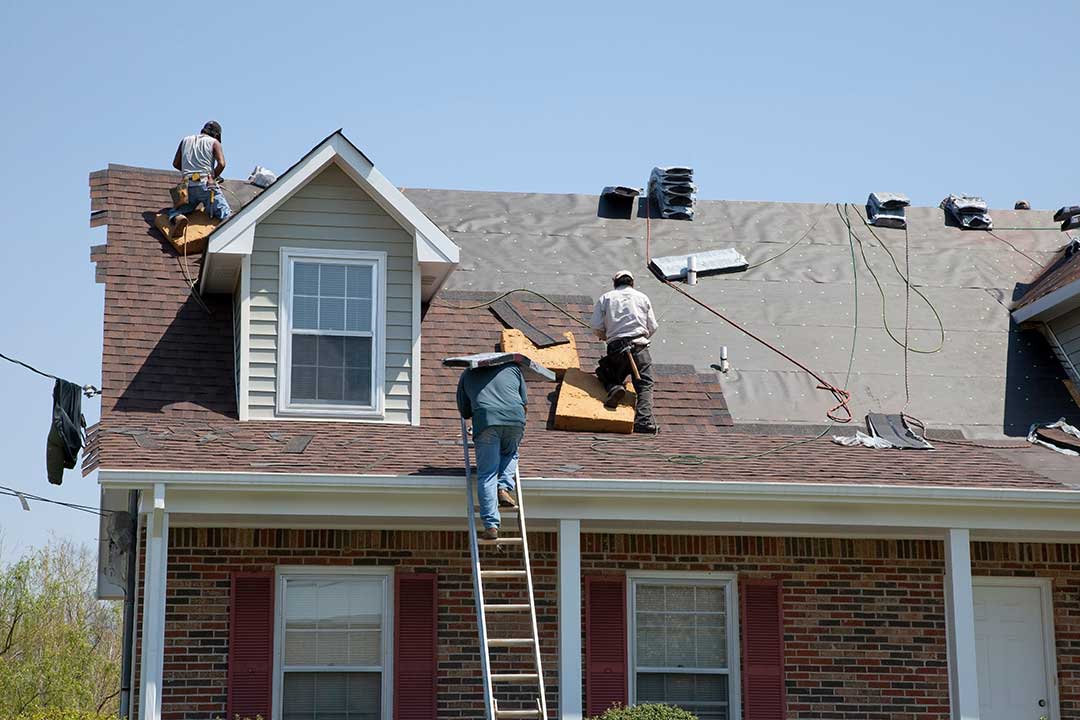
For anyone in the community, keeping good records—like invoices, photos of the roof, and a maintenance log—can help if there’s ever a dispute about coverage.
Which Roof Issues Will Homeowners’ Insurance Cover Instead?
Roof warranties focus on manufacturing and installation defects, not accidental or weather-related damage. In Medina, ice dams, wind-lifted shingles, or limb impacts from mature maples are likely causes of roof trouble. These situations typically fall under standard home insurance, not the roof warranty.
For instance:
- If hail or wind during a spring storm causes damage, claim through homeowners’ insurance.
- If a leak is traced to improperly sealed flashing installed two years ago, a valid workmanship warranty might apply.
Understanding the separate roles of warranties versus insurance can save both time and money during stressful repairs.
What Myths Do People Believe About Roof Warranties?
Several misconceptions circulate among local homeowners:
- Myth: "It covers all roof repairs."
Most warranties are limited to manufacturing defects or install issues and exclude weather, neglect, and aging.
- Myth: "The coverage lasts for life."
Lifetime coverage rarely means the entire span of homeownership and often decreases in value over time.
- Myth: "Warranty transfers automatically."
Many require action, a fee, or paperwork within a set period to stay valid after a home sale.
Careful reading and straightforward questions before work begins can clarify what to expect if something goes wrong.
How Can Residents Maximize Warranty Protection?
Local homeowners can strengthen their warranty coverage by:
- Registering the warranty promptly after roof installation
- Keeping all receipts and installation documentation
- Conducting annual checks for visible issues and documenting maintenance
- Avoiding unauthorized modifications or pressure washing
Especially in a climate with harsh winters and humid summers, regular inspections and basic maintenance help reduce warranty disagreements if a problem needs addressing.
