

What Does Proper Roof Ventilation Mean?
Proper roof ventilation refers to the balanced circulation of air between your attic and the outdoors, usually through a combination of intake and exhaust vents. This system helps ensure that air flows in and out of the roof space, rather than becoming trapped and stagnant.
For homes in Medina, NY, where seasonal shifts bring hot summers, cold winters, and significant humidity variations, this airflow helps maintain comfortable indoor conditions and safeguards both the roof itself and the living environment below it.
Why Do Local Homes Need Roof Ventilation?
Roof ventilation is essential in Medina’s climate due to wide temperature swings and periods of both high humidity and deep cold. Without effective airflow, attics can become overheated in the summer or collect moisture during the winter, especially when heavy snow accumulates and fluctuating temperatures cause melting and refreezing.
Ventilation systems:
- Allow hot air in the attic to escape in summer, lowering cooling costs
- Prevent moisture buildup in winter, reducing risks of mold and rot
- Mitigate the formation of ice dams, which are common in the region when attic warmth melts snow on the roof
- Extend the life of roofing materials by reducing thermal stress
How Does Roof Ventilation Affect Energy Efficiency?
A well-ventilated roof can help keep utility bills in check for area households.
In the summer, attics without proper ventilation can reach extremely high temperatures, radiating heat into living spaces and forcing air conditioning systems to work harder. Conversely, in the winter, improper ventilation can allow warm, moist interior air to get trapped in the attic, potentially creating conditions where cold outside temperatures meet warm interior air, causing condensation and heat loss.
Practical effects of good ventilation include:
- Lowered cooling costs during hot, sunny stretches.
- Reduced strain on heating systems and insulation by keeping attics from getting overly moist.
- More consistent indoor temperatures throughout the year.
Common Signs of Poor Roof Ventilation in the Medina Area
Many homeowners may not realize there’s a ventilation problem until after damage has occurred or indoor comfort is noticeably affected. Here are specific warning signs:
- Ice dams forming along roof edges after snowfall
- Visible mold or mildew inside the attic or on insulation
- Peeling paint or blistering shingles on the exterior
- A musty smell in upper floors or attic spaces
- Significant temperature differences between attic and outdoors
Spotting these symptoms early can prevent more extensive structural or indoor air quality issues.
What Problems Can Result From Inadequate Ventilation?
If a roof isn’t ventilated properly, a range of issues specific to Medina’s climate may arise:
- Ice Dams: Snowmelt and refreezing cycle at the eaves can lead to ice dams, which trap water on the roof and force it under the shingles, potentially causing leaks and water damage.
- Mold Growth: Humidity from everyday activities like laundry, showers, and cooking rises into the attic, where insufficient airflow can result in mold or mildew thriving on wood and insulation.
- Shingle Deterioration: Excessive attic heat in summer shortens the lifespan of shingles, making them more likely to crack or curl.
- Wood Rot: Persistent moisture inside the attic can eventually compromise the structural wood elements of the roof, leading to rot or decay, which may require expensive repairs.
Are There Different Types of Roof Ventilation Systems?
Yes, there are several methods used in residential construction, each suited to different roof designs and ages of homes found throughout Medina. The most common ventilation strategies include:
- Ridge Vents: Installed along the peak of the roof, allowing warm air to exit uniformly from the highest point.
- Soffit Vents: Located under roof eaves, these bring fresh, cooler air into the attic.
- Gable Vents: Placed at the ends of the loft, these encourage cross-ventilation.
- Box or Roof Vents: Simple outlets cut into the roof surface.
- Powered Attic Fans: Used where passive airflow is insufficient, although local weather and humidity must be considered to avoid drawing in excess moisture in certain conditions.
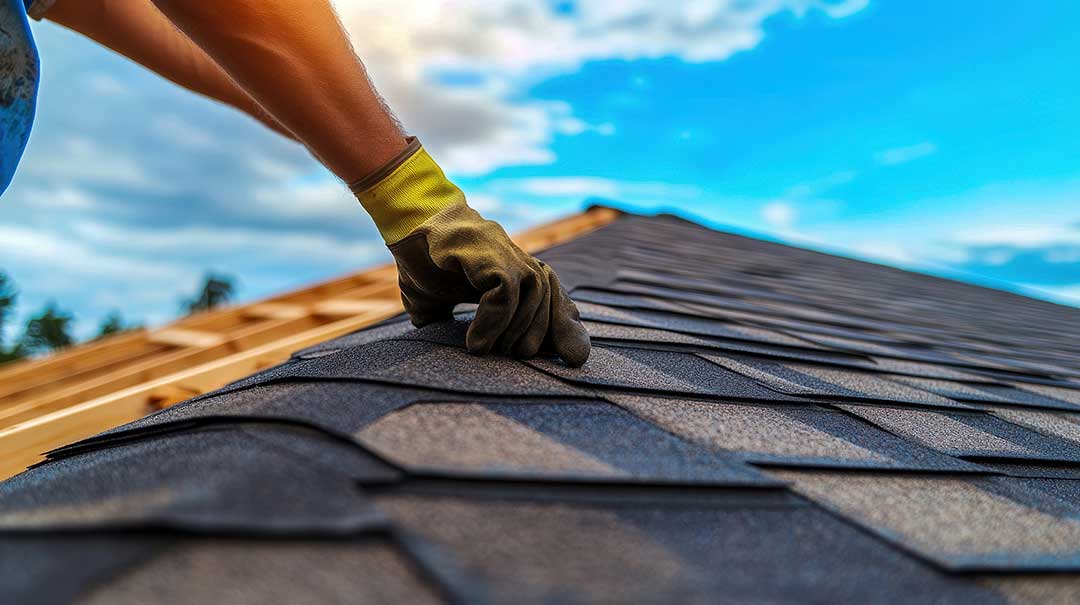
Proper design typically pairs intake and exhaust vents to create a natural updraft. The right balance is key—a fully sealed or unevenly vented system is less effective and may trap more moisture.
Is Roof Ventilation Required in Medina, NY?
Building codes in Medina require specific minimum ventilation ratios for new construction or major roof renovations. These standards are designed to ensure attics receive enough airflow to prevent many of the issues discussed above.
For older homes, which are common in the area, original designs sometimes lack modern venting solutions. During roof replacement or attic upgrades, an assessment can identify whether current ventilation meets code or should be improved for health and efficiency.
What Are Common Misconceptions About Roof Ventilation?
Some local homeowners believe that adding more vents always leads to better outcomes, but this isn’t always true. Too many vents in the wrong places can disrupt airflow patterns or let in water and debris. Others assume attic fans are necessary in every house, but passive ventilation usually suffices unless there are unique structural limitations.
Another mistaken belief is that roof ventilation isn’t important for winter protection; in fact, Medina’s heavy snowfall makes winter performance just as critical as summer.
What Should Residents Consider Before Making Changes?
Before altering the roof or attic ventilation:
- Review the home’s age and roof structure, as older houses may need custom solutions.
- Assess existing insulation, since attic insulation and airflow work together—one is not a replacement for the other.
- Understand that proper vent placement and quantity matters more than simply adding vents anywhere.
- Be aware that making changes without addressing moisture problems (like leaks or unvented bathrooms venting directly into the attic) will not solve underlying issues.
If safe to do so, a visual attic inspection—especially after seasonal changes—can reveal early signs of condensation or improper airflow.
Are There Low-Cost Ways to Improve Ventilation?
Simple steps can help some households:
- Clear soffit vents of debris or insulation blockages to restore airflow.
- Ensure bathroom and kitchen exhaust fans vent outdoors, not into the attic.
- Use window fans in upper stories during mild weather to encourage fresh air circulation.
For larger issues, such as persistent attic mold or regular ice dams, a more thorough evaluation of the ventilation and insulation system may be needed.
