
Why Do Homeowners in Medina, NY Need Roof Inspections?
A professional roof inspection provides a thorough assessment of your roof’s current condition. For area residents, local weather patterns like heavy snowfalls in winter, high winds in spring and fall, and frequent freeze-thaw cycles can quietly damage roofing materials over time. Routine inspections help catch small issues before they turn into costly problems such as leaks, attic mold, or structural deterioration.
In Medina, inspections are especially helpful before and after extreme seasons. For example, heavy winter accumulation can stress roof structures, while fall windstorms may dislodge shingles or cause debris buildup.
What Does a Professional Roof Inspection Involve?
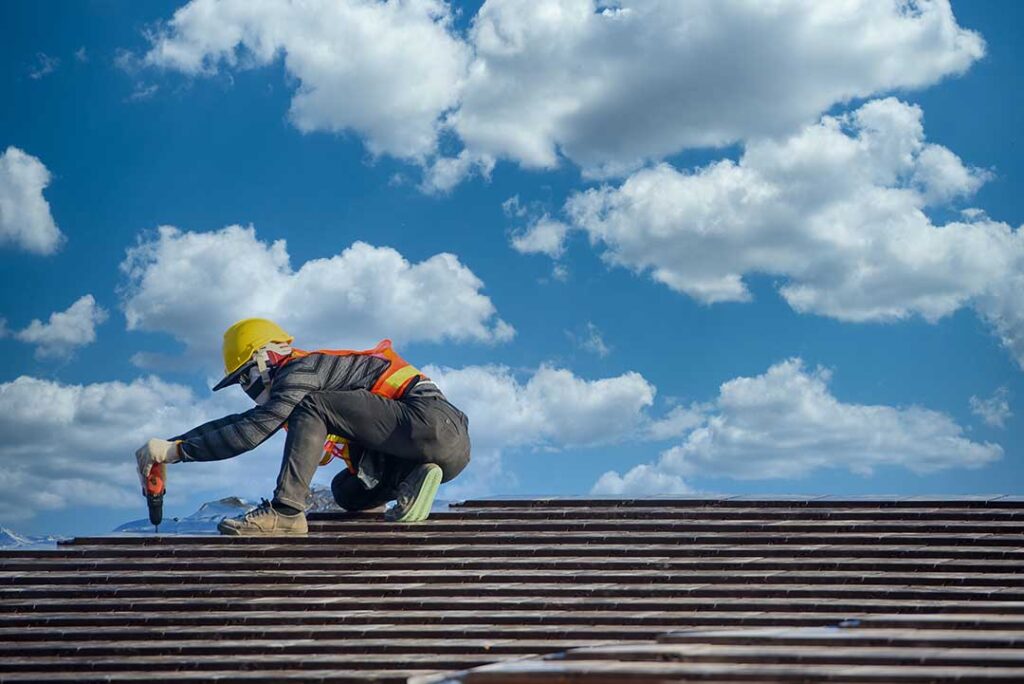
A typical inspection covers more than just visible shingles. The process involves careful checks of multiple roof system elements, usually performed from outside and sometimes inside the home.
Main areas of focus include:
- Surface condition of shingles or roofing membrane
- Flashing around chimneys, vents, and skylights
- Gutters, downspouts, and drainage areas
- Signs of water penetration, mold, or hidden rot
- Structural deformation or sagging
- Attic ventilation and insulation (if accessible)
Some inspectors use binoculars or drones for hard-to-reach areas, but most roofs in Medina can be safely walked if conditions permit.
How Long Does a Roof Inspection Usually Take?
For most single-family homes in the city, the inspection process takes about 45 to 90 minutes. Unusually large, steep, or complex roofs may require more time, while a small ranch home can sometimes be inspected more quickly. Time is also influenced by weather conditions and whether an interior attic space needs to be checked.
What Should Homeowners Expect During the Visit?
The process is non-invasive, and no construction or repairs will be performed during a standard inspection. Residents won’t need to prepare in advance, but providing attic access (if available) can allow for a more complete assessment.
During the visit:
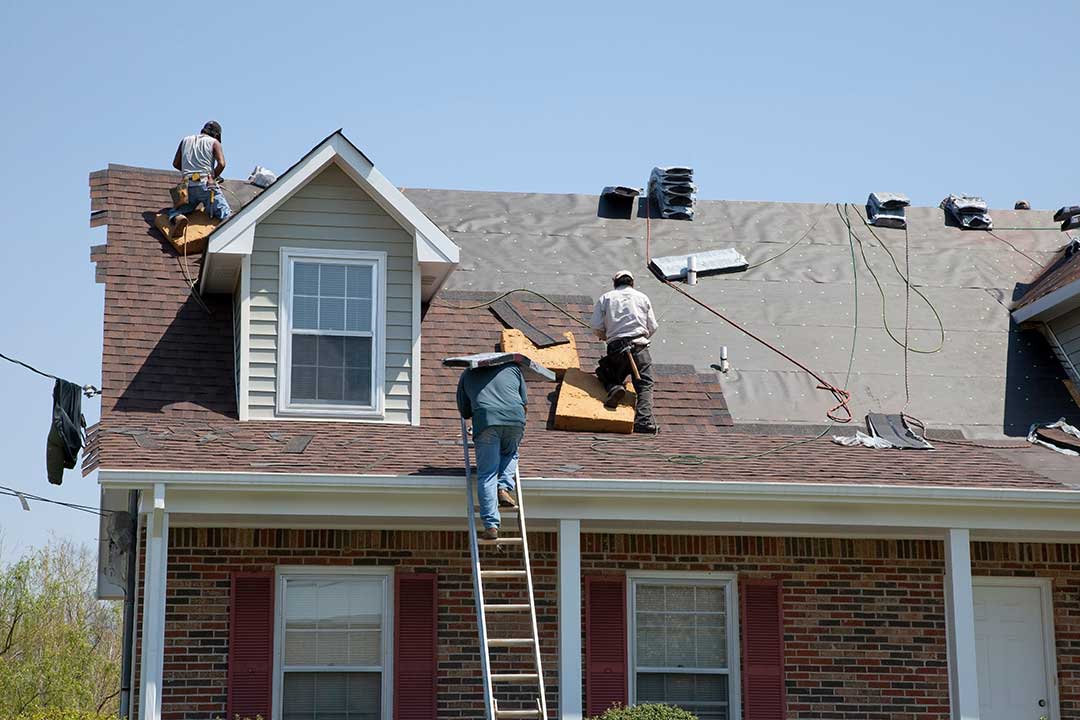
- The inspector may walk the roof, examine its surface closely, and photograph areas of concern.
- They will check gutters, downspouts, and roof edges for clogs, damage, or evidence of standing water.
- If safe and practical, the inspector may enter the attic to check insulation depth, moisture, and signs of hidden leaks.
- There is often a summary discussion on site, but a detailed written report or checklist follows.
Little disruption is expected—inspections rarely require entering main living spaces, and typical residential roofing supports at least brief foot traffic by a trained professional.
What Problems Are Most Commonly Found After Medina’s Winters?
Winters in the area often lead to specific roof issues. Inspectors commonly find:
- Ice dam remnants or blocked gutters
- Lifted, broken, or missing shingles after freeze-thaw cycles
- Water stains on the underside of roof decking near eaves
- Damp insulation or hidden attic moisture from slow leaks
Identifying these early can prevent later problems, such as interior ceiling stains or rotting wood in spring.
What Is Included in a Roof Inspection Report?
A report is typically provided after the inspection, summarizing findings in plain language. It includes:
- Photos or diagrams showing any concerns
- Notes on the age and condition of roofing materials
- Observations about flashing, vents, gutters, and ventilation
- Recommended repairs (if any) and urgency of each concern
- An overall summary of general roof health
This documentation may be useful for insurance, budgeting, or planning future maintenance.
Are Minor Issues Always a Cause for Concern?
Not every observation means immediate repairs are necessary. In Medina, aging roofs often display minor cosmetic wear from sun, wind, or snow, which may not affect performance. Small shingle granule loss, a few lifted nail heads, or slight gutter misalignment are common in older homes.
However, inspectors will distinguish ordinary age-related wear from active problems like missing shingles, exposed nails, or soft roof decking. Homeowners can use inspection reports to plan sensible, phased maintenance and avoid unnecessary expenses.
How Should Residents Prepare for a Roof Inspection?
Roof inspections require little preparation:
- Secure pets, and make attic access available if possible.
- Move cars or objects that might block the inspector's path around the home.
- Ensure gates or fences can be opened.
There’s no need to clean the roof or gutters first; professionals are trained to evaluate real-world conditions as they are.
Can Homeowners Perform Their Own Roof Inspections?
While a basic visual check from the ground can help spot obvious issues like missing shingles or sagging gutters, many problems are only visible up close or from inside the attic. Walking on a roof is risky, especially during wet or icy seasons. For safety and thoroughness, most community members rely on trained inspectors, especially for roofs with notable height, slope, or visible deterioration.
What Are Some Common Misconceptions About Roof Inspections?
A few myths persist among local homeowners:
- "Roof inspections are only needed before selling a house." In truth, regular inspections help maintain your home’s value and avoid preventable damage.
- "If I don’t see a leak, my roof must be fine." Many leaks are hidden for months or years before obvious symptoms.
- "Any handyman can spot roof problems." Trained inspectors recognize region-specific risks and subtle signs of trouble.
In regions with varied weather extremes like Medina, a professional’s perspective helps ensure no detail is overlooked.
