
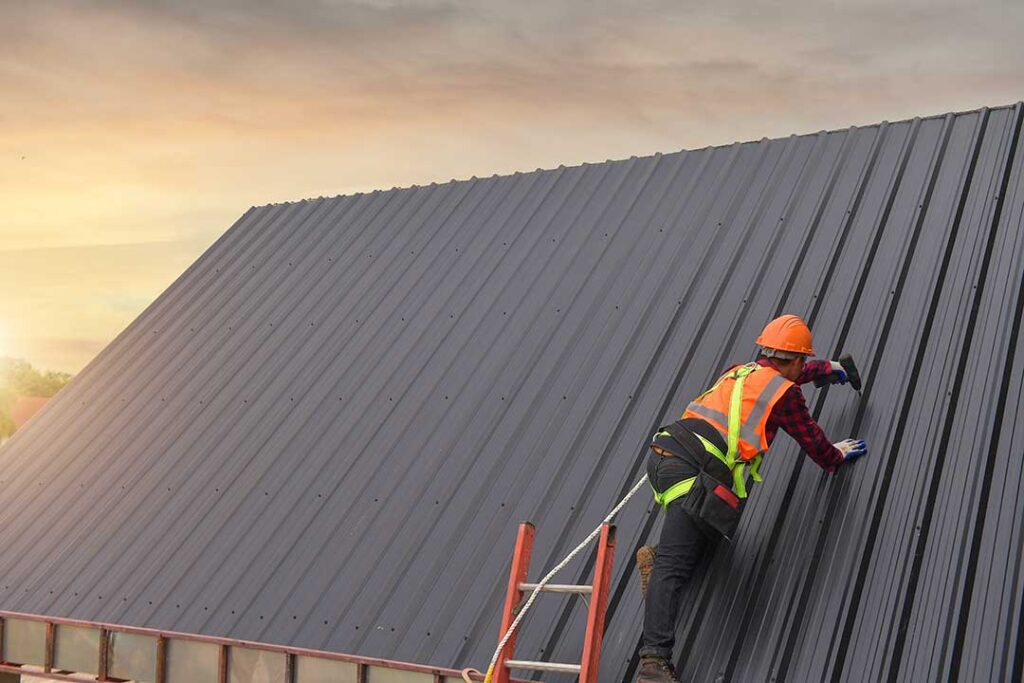
Storm damage is not always obvious from the ground. Wind can loosen shingles without removing them, hail can bruise roofing materials, and fallen branches may damage flashing or decking beneath an apparently intact surface. After severe weather in Medina, NY, a careful inspection can help identify problems early while avoiding unnecessary injury.
What should be checked first after a storm?
Start with the ground and the visible parts of the house. Do not climb onto the roof immediately, especially if surfaces are wet, icy, covered with debris, or near downed electrical wires.
Walk around the property and look for:
- Shingles, ridge-cap pieces, metal flashing, or chimney materials on the ground
- Broken branches resting on the roof or caught in gutters
- Loose siding, damaged vents, bent gutters, or missing downspout sections
- Water stains on ceilings, upper walls, or around attic access panels
- New damp smells, peeling paint, bubbling drywall, or sagging areas
Photograph anything that appears changed or damaged. Wide photographs can show the location, while close-up photographs can document details such as torn shingles, dents, or displaced flashing. Taking pictures before moving debris can create a clearer record of what happened.
How can roof damage be spotted from the ground?
Binoculars are useful for viewing roof surfaces without climbing. Examine each roof slope, particularly the side facing the strongest wind.
Look for shingles that are:
- Missing or visibly displaced
- Lifted at the edges
- Creased, folded, cracked, or torn
- Different in color because the protective surface has been scraped away
- Missing granules, leaving dark or exposed areas
A few loose granules in a gutter are not automatically proof of storm damage. Some granule loss occurs naturally as a roof ages. A sudden, unusually large amount of granules after hail or heavy wind is more concerning, especially when paired with exposed spots or dents.
Also inspect roof accessories. Storms can damage vents, pipe boots, skylight edges, chimney caps, satellite supports, and metal flashing. These details are often more vulnerable than the broad shingle field and can become entry points for water.
What does hail damage look like?
Hail damage may appear as round or irregular bruises on asphalt shingles. The marks can be subtle, especially when the roof is viewed from the ground. A damaged shingle may show a dark depression, exposed fiberglass mat, cracked surface, or an area where granules have been knocked away.
Check other outdoor surfaces for clues:
- Dents in metal gutters or downspouts
- Damage to air-conditioning covers or exterior equipment
- Chipped paint on outdoor structures
- Small impact marks on window screens
- Fresh dents in metal vents or flashing
Hail does not always damage every roof slope equally. The direction of the storm, nearby trees, and the angle of each roof surface can produce uneven patterns.
Avoid pressing on suspected bruises or scraping the shingles. Handling the material can make damage worse and may make the original condition harder to evaluate.
How can wind damage be identified?
Wind damage is often associated with missing shingles, but lifted shingles are also significant. A shingle may remain attached at one edge while its seal has been broken. Repeated wind can then lift it farther, allowing rain to enter beneath the roofing layer.
From the ground, look for:
- Shingles that appear raised or wavy
- Uneven rows
- Exposed underlayment
- Bare patches
- Loose ridge caps
- Debris lodged beneath shingle edges
Wind can also affect flashing around chimneys, walls, valleys, and roof edges. Because flashing directs water away from vulnerable joints, a small separation can lead to leaks during the next rainfall.
Do not attempt to nail or glue down a loose shingle while standing on a wet or unstable roof. Temporary repairs performed without proper footing can create both fall hazards and additional roof damage.
What should be checked inside the attic and living areas?
Interior signs can reveal damage that is not visible from outside. In the attic, use a flashlight and stay on structural framing rather than stepping between joists. Look for:
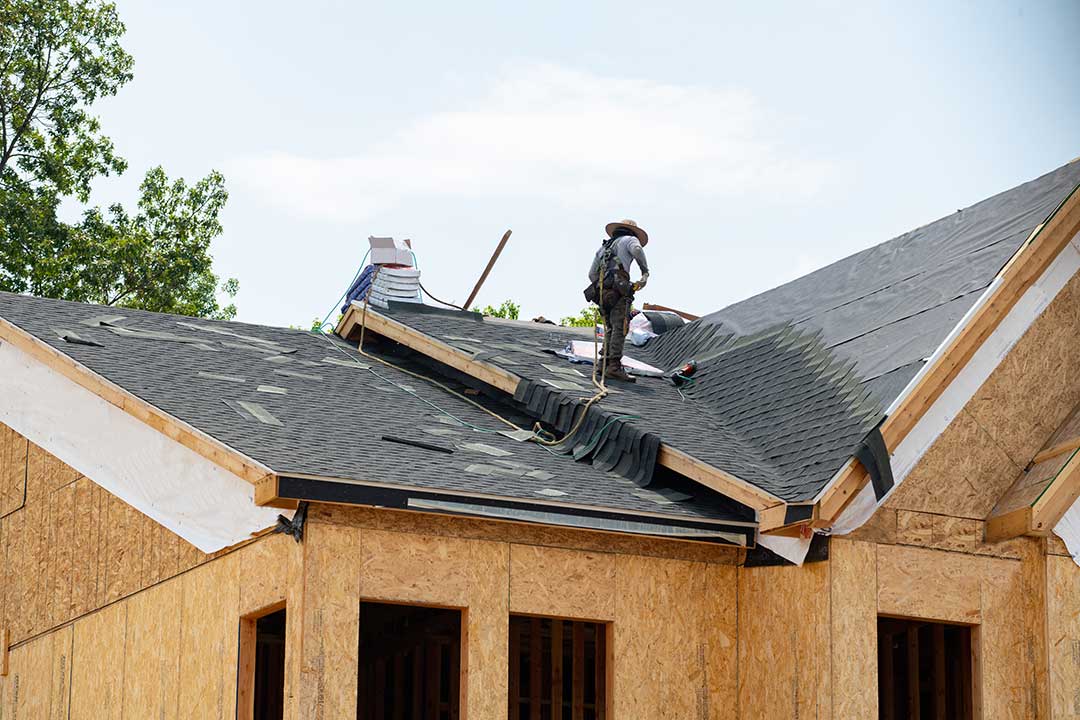
- Wet insulation
- Darkened wood
- Drips or damp fasteners
- Water trails
- Daylight visible through the roof
- Mold-like odors or newly damp areas
Inside the living space, inspect ceilings and upper walls after the storm and again during the next heavy rain. Water may travel along rafters before appearing far from the original entry point.
A small stain does not always mean the roof is currently leaking, but a new stain after a storm should not be ignored. Marking the edges of a ceiling spot with a pencil and date can help show whether it is expanding.
If water is near electrical fixtures, outlets, or wiring, avoid touching the area. Shut off power to the affected circuit only if it can be done safely from a dry location, and keep people away from sagging ceilings.
Is it safe to climb onto the roof?
Roof inspection from the ground is usually the safest first step. Climbing becomes especially hazardous after storms because shingles may be slick, ladders may rest on unstable ground, and hidden structural damage may weaken the roof surface.
Do not climb when:
- The roof is wet, icy, or covered with leaves
- There are downed wires or damaged utility equipment nearby
- A tree or large limb is resting on the structure
- The roof has a steep slope
- Strong wind is still present
- The roof deck appears sagging or unstable
- You do not have appropriate fall-protection equipment and experience
Branches touching electrical wires should be treated as energized, even if no sparks are visible. Stay clear and follow local emergency guidance for utility hazards. A partially collapsed roof, severe structural damage, or an active electrical danger requires trained assistance rather than a do-it-yourself inspection.
What temporary steps can limit additional water damage?
If water is entering the home, place containers beneath drips and move furniture or belongings away from the affected area. Use plastic sheeting indoors only as a temporary measure, keeping weight off a sagging ceiling.
Outdoor tarps and emergency coverings can be dangerous if installed on a damaged or steep roof. A covering that is poorly secured may tear loose, allow more water underneath, or injure someone below. Do not remove large branches or structural debris from the roof without appropriate equipment.
Keep records of the storm date, visible damage, interior conditions, photographs, and temporary measures. If an insurance claim may be involved, preserve damaged materials when practical and avoid making permanent changes before documentation is complete, except where immediate action is needed to prevent further harm.
When does a roof problem require prompt attention?
Prompt attention is warranted when there is active leaking, a large missing area, exposed underlayment, a sagging ceiling, damaged electrical equipment, or a tree impact. Even a small opening can allow water into insulation and roof framing, where damage may continue after the surface dries.
For minor-looking issues, monitor the area during the next rainfall and inspect the attic afterward. Storm damage is sometimes discovered days later through damp insulation, stains, or recurring drips. Medina’s freeze-thaw cycles can make small openings more troublesome as trapped moisture expands and contracts.
A careful ground-level inspection, interior check, and written record can identify many warning signs without putting anyone on an unstable roof. The goal is not to diagnose every roofing problem from the yard, but to recognize conditions that may allow water in or create a safety risk.
