
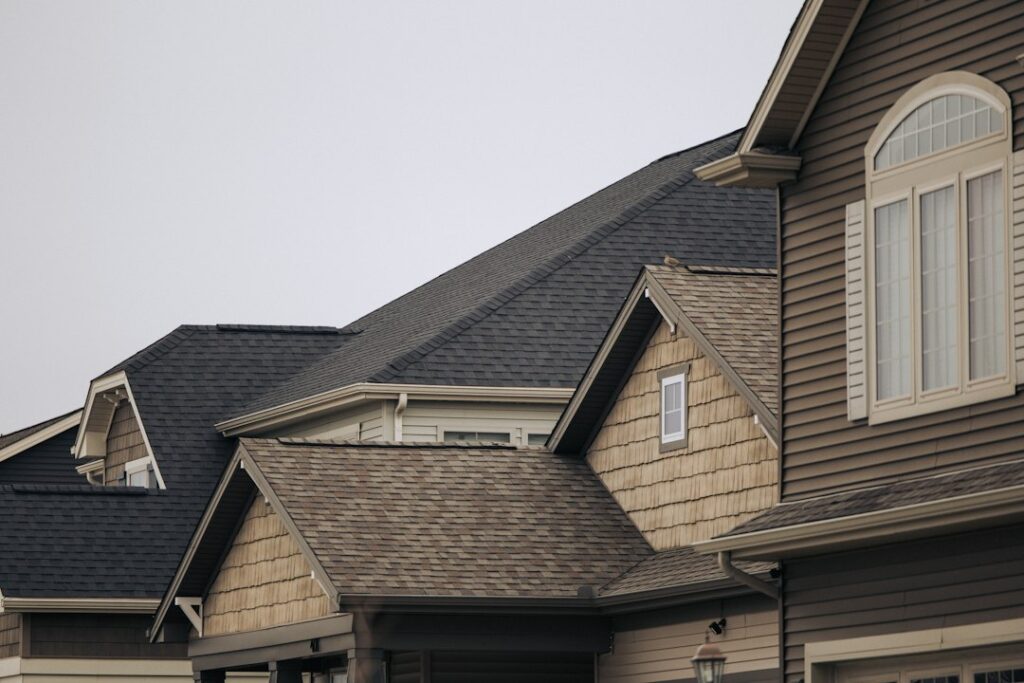
Choosing a roof color affects more than curb appeal. The right shade can complement a home’s siding, brick, stone, trim, and surroundings while also influencing how large the roof appears, how much heat it absorbs, and how well the exterior fits the character of the neighborhood.
For homes in Medina, NY, roof color also needs to work with seasonal light, winter weather, leafy summers, and the common mix of older houses, updated residences, and practical rural-suburban properties. A color that looks appealing on a small sample may appear very different across a full roof, especially under changing weather conditions.
What should be considered before choosing a roof color?
The most reliable choice starts with the house itself rather than a favorite color. Look at the permanent exterior features that are expensive or difficult to change.
Consider:
- Siding color and texture
- Brick, stone, or masonry accents
- Window frames and trim
- Exterior doors and shutters
- Gutters, downspouts, and metal flashing
- The color of nearby homes and surrounding vegetation
- The roof’s size, slope, and visibility from the street
A roof usually covers a large portion of the visible exterior. Dark colors can make a roof appear more visually substantial, while lighter colors may make it seem less dominant. On a home with a steep roof or multiple dormers, the color will have more visual influence than it would on a low-slope ranch-style house.
It also helps to identify which features should stand out. If the siding is bold or richly colored, a quieter roof may create balance. If the siding is simple, a blended roof with subtle variation can add depth without making the exterior look busy.
Are dark or light roof colors better?
Neither is automatically better. Dark and light roofs create different visual and practical effects.
Dark gray, charcoal, brown, and near-black roofs often suit traditional homes, homes with white trim, and exteriors using red or brown brick. Dark colors can make a large roof look more grounded and may provide a stronger contrast against light siding.
Lighter gray, tan, weathered brown, and muted green tones can soften the appearance of a home. They may work well with cream, beige, pale blue, sage, or other subdued exterior colors.
Roof color can also affect heat absorption. Dark surfaces generally become warmer in direct sunlight than light surfaces. However, attic ventilation, insulation, roof pitch, shade, roofing material, and air movement all influence indoor comfort. Color alone does not determine whether a home will overheat in summer or stay warm in winter.
In a climate with cold winters and warm, sunny periods, practical roof performance depends more on the complete roofing system than on color by itself.
How can roof color match siding and exterior materials?
A useful approach is to match the roof to the undertones in the exterior rather than trying to create an exact color match.
For example:
- Cream or tan siding may pair well with brown, blended tan, or medium charcoal roofing.
- White or light gray siding often works with charcoal, slate gray, black, or weathered gray.
- Blue siding may look balanced with cool gray, slate, or muted black.
- Green siding can coordinate with weathered brown, gray, or subdued green blends.
- Red brick commonly works with brown, charcoal, gray, or dark blended roofing.
- Natural stone generally pairs best with a roof that repeats one of the stone’s softer shades.
Exact matching is usually unnecessary. Repeating one color family two or three times across the exterior often creates a more natural appearance. For instance, a gray roof may connect with gray window trim, stone accents, or metal details without matching every feature precisely.
Strong contrast can be attractive, but too many competing colors may make the house appear visually fragmented. If the siding, shutters, doors, and trim already have several distinct colors, a roof with a restrained blend is often easier to live with.
Should the roof color match the style and age of the house?
Yes. Architectural style provides useful guidance, although it should not impose rigid rules.
Older homes often look natural with traditional shades such as weathered gray, brown, slate, or charcoal. A highly bright or unusually saturated roof color may appear disconnected from older siding, masonry, or historic detailing.
Contemporary homes may support a darker monochromatic roof, a clean gray, or a subtle contrast that emphasizes simple lines. Farmhouse-inspired exteriors often use charcoal, black, weathered gray, or brown, depending on the siding and trim.
For homes with complex rooflines, blended colors can help soften transitions between gables, dormers, and additions. A single solid color may emphasize the roof’s shape, while a varied blend can make multiple roof sections feel more unified.
The surrounding streetscape matters as well. A roof does not need to match neighboring homes, but a choice that fits the broader character of the community is less likely to look out of place over time.
How does Medina’s seasonal weather affect the decision?
Seasonal conditions make long-term appearance especially relevant. Snow, rain, wind, tree debris, and changing sunlight can all affect how a roof color is perceived.
A few practical observations are useful:
- Very dark roofs may show light-colored dust, pollen, or residue more clearly.
- Very light roofs may show dark streaks, moss, or organic debris more noticeably.
- Mid-tone blends can disguise minor variation better than very uniform colors.
- Brown and gray blends often transition more naturally between green summer vegetation and leafless winter landscapes.
- Nearby trees can cast changing shadows that make a roof appear lighter or darker during the day.

No roof color prevents moss, algae, or staining. Surface maintenance depends on moisture, shade, ventilation, debris accumulation, and the roofing material. A color that hides minor discoloration can improve appearance between cleanings, but it does not replace proper drainage or maintenance.
Should the roof be chosen from a small sample?
A small sample is useful, but it should never be the only basis for the decision. Roof color changes with viewing distance, sunlight, cloud cover, and the amount of surface visible.
Before deciding, view samples:
- Outdoors rather than only under indoor lighting
- In the morning, midday, and late afternoon
- Against the actual siding and trim
- From the street and from neighboring viewpoints
- Beside brick, stone, or other permanent materials
- During both sunny and overcast conditions
It is also wise to look at completed roofs rather than relying only on product images. Printed images and digital displays can shift color significantly. A blend that appears mostly gray in a small sample may show more brown, blue, or charcoal once installed across a large area.
Roof color should be judged from a normal viewing distance. Standing close to a sample can make small granules and color variations seem more dramatic than they will from the ground.
Do neighborhood rules or historic considerations matter?
Some communities, subdivisions, homeowners’ associations, or historic districts may have exterior appearance guidelines. These rules can address approved colors, reflective properties, visible roofing materials, or changes to historically significant buildings.
Before finalizing a color, check any applicable property documents or local requirements, especially if the home is part of a regulated historic setting or a planned development. Rules may not apply to every property, but confirming them early can prevent an avoidable change later.
Even where no formal rule exists, permanent exterior choices benefit from a measured approach. Roofing is not usually replaced as frequently as paint or decorative trim, so a color that remains suitable through changing design trends is often the most practical choice.
What roof color is easiest to live with?
A durable choice is usually a color that complements the home without depending on a short-lived trend. Mid-tone gray, charcoal, weathered brown, and balanced blends tend to coordinate with a wide range of siding and trim colors.
The best selection should:
- Work with the home’s permanent materials
- Look appropriate in both summer and winter
- Avoid excessive contrast unless that effect is intentional
- Fit the architectural style
- Remain visually comfortable from the street
- Account for roof size, slope, shade, and surrounding trees
A roof color is successful when it supports the entire exterior rather than becoming the only feature people notice. Comparing several samples in real outdoor light and considering the home’s materials, proportions, and seasonal surroundings usually leads to a more satisfying long-term decision.
